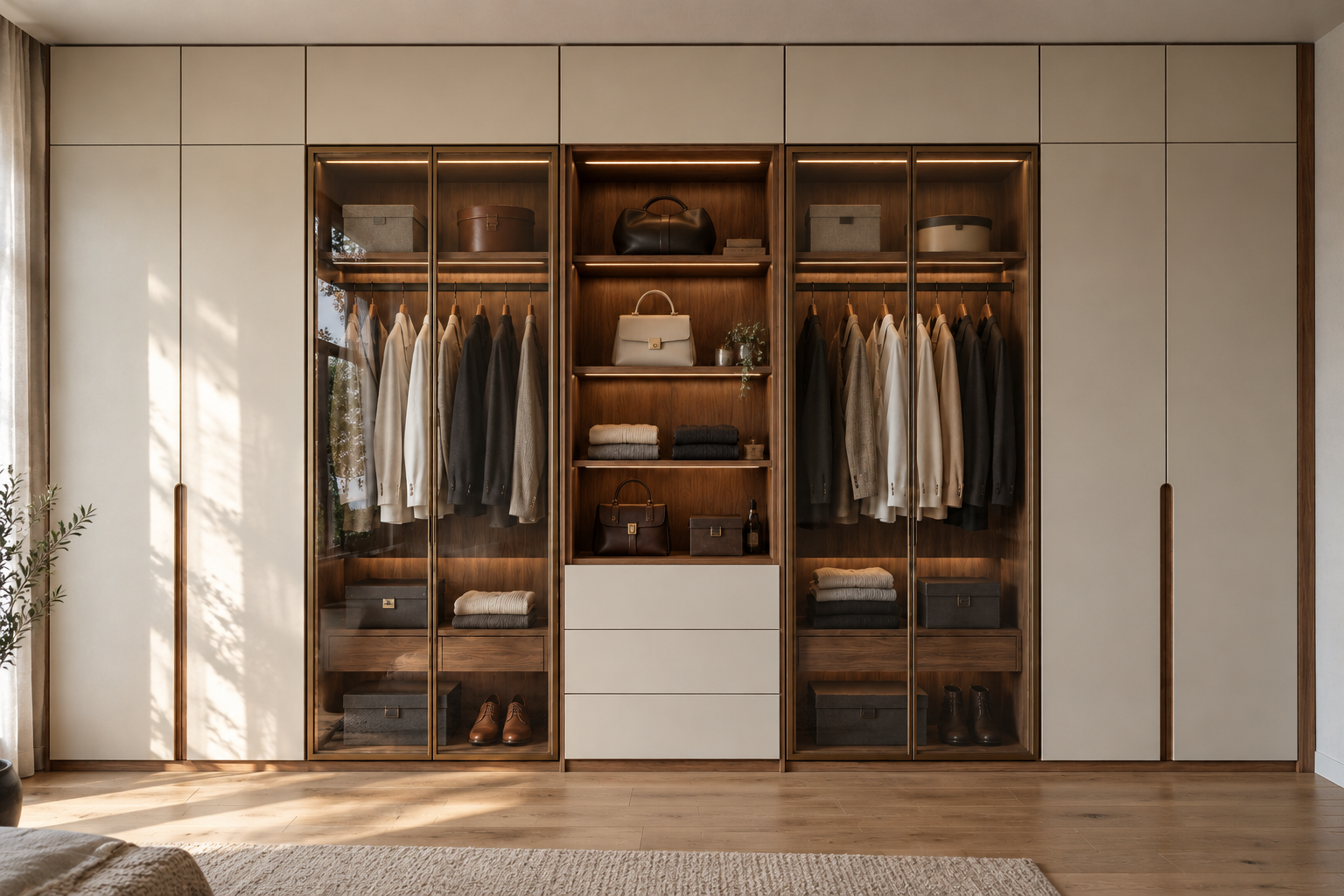
A Home Should Grow With You, Not Around You
A home is never truly finished.
The day you move in is simply the beginning of its story.
Over time, routines change. Families grow. Children become teenagers. Empty rooms become home offices. Dining tables host birthdays, quiet breakfasts, late-night conversations, and celebrations that couldn't have been imagined when the house was first designed.
Yet many homes are created as though nothing will ever change.
Every piece is selected to complete a picture rather than support a life.
Beautiful on day one.
Less relevant with every passing year.
The homes that continue to feel right decades later aren't the ones frozen in time. They're the ones designed to evolve alongside the people who live in them.
A Home Is a Living Environment
Architecture gives a home its structure.
People give it purpose.
Furniture sits at the intersection of both. It shapes how we gather, work, rest, celebrate, and connect every single day.
When those habits change, the home should be able to respond naturally.
A reading corner may become a nursery.
A formal dining room may transform into the place where children complete homework before dinner.
A guest room may become a creative studio.
The most thoughtful homes aren't rigid. They're adaptable.
Instead of asking, "What does this room need today?" they quietly answer a more important question.
"How might this space serve us tomorrow?"
Design Around Life, Not Labels
We often name rooms by their function.
Living room.
Dining room.
Study.
But families rarely live that way.
The dining table becomes a workspace.
The kitchen becomes the place where everyone gathers.
The bedroom becomes a reading retreat.
Spaces naturally take on new roles because life isn't organised into neat categories.
Good design accepts this reality.
Instead of forcing people to live according to a floor plan, it creates furniture that supports changing routines without demanding constant redesign.
Furniture Should Adapt Without Asking for Attention
The best furniture has a remarkable quality.
It continues to feel appropriate as life changes.
A well-designed bookshelf doesn't become obsolete because your interests evolve.
A thoughtfully crafted dining table remains relevant whether it seats two people on an ordinary Tuesday or an entire family during festive gatherings.
A comfortable lounge chair becomes part of morning rituals today and evening reflections years later.
These pieces don't resist change.
They quietly accommodate it.
Timeless Doesn't Mean Unchanging
Timeless design is often misunderstood.
It doesn't mean creating a room that never changes.
It means creating a foundation strong enough to welcome change without losing its character.
Natural materials deepen with age.
Wood develops a richer tone.
Leather softens.
Stone acquires subtle signs of use.
Rather than appearing worn, these materials become more personal because they reflect the lives lived around them.
The same should be true of a home itself.
Its beauty should come not from remaining untouched, but from carrying the marks of meaningful living.
The Most Important Design Decision Is Flexibility
When people think about furniture, they often focus on dimensions, finishes, and colours.
Those choices matter.
But there's another question that's rarely asked.
"Will this still support the way we live ten years from now?"
That question changes everything.
It encourages flexible layouts instead of rigid ones.
Modular thinking instead of fixed assumptions.
Furniture that welcomes change rather than resisting it.
Because homes don't stand still.
Neither do the people inside them.
A Home Should Reflect Chapters, Not Snapshots
Every family moves through different seasons.
A newly married couple.
Young children.
Teenagers.
Parents returning home.
Retirement.
Each chapter brings new rhythms, new priorities, and new ways of using the same spaces.
A well-designed home doesn't erase those chapters.
It makes room for them.
Instead of demanding reinvention every few years, it provides a timeless backdrop that allows life itself to become the focal point.
Designing for Tomorrow Begins Today
At TIS Living, every project begins with a simple understanding.
Furniture isn't created for a photograph.
It's created for the years that follow.
That means thinking beyond today's layout and considering how a family may grow, adapt, entertain, work, or simply spend time together in the future.
The goal isn't to predict every change.
It's to design with enough thoughtfulness that change feels natural when it arrives.
Because a home shouldn't ask its owners to fit into a fixed design.
It should evolve alongside them.
Homes Become Meaningful One Chapter at a Time
The most memorable homes aren't the ones preserved exactly as they were on the day they were completed.
They're the ones that quietly absorb years of everyday life.
The dining table that witnessed countless celebrations.
The armchair where stories were read every evening.
The bookshelf that slowly filled with memories instead of objects.
These aren't simply pieces of furniture.
They're companions to a life being lived.
And that's why the finest homes don't grow around furniture.
They grow with the people who call them home.
Quick Answers
Q: What does it mean for a home to grow with you?
It means designing spaces and furniture that can adapt to changing routines, family needs, and different stages of life without losing their purpose or character.
Q: Why is flexibility important in home design?
Life changes constantly. Flexible spaces and thoughtfully designed furniture allow a home to support new routines and uses without requiring a complete redesign.
Q: How can timeless furniture support an evolving home?
Timeless furniture is built around enduring proportions, quality materials, and versatile design, allowing it to remain relevant as lifestyles and living spaces naturally change.
"The best homes aren't designed to stay the same. They're designed to make every new chapter feel like it belongs."
Share this story
Share
Written by
TIS Living
Stories, insights and design perspectives from the TIS Living editorial team.
Stay in the loop
More stories like this one
Design guides, material stories and project features — delivered when we have something worth saying.